
Scaling paid campaigns sounds simple: increase the budget and watch results multiply. In reality, ramping up spend without a clear plan often leads to higher costs and lower returns. The good news is that you can grow your campaigns while maintaining efficiency if you follow proven strategies and avoid common pitfalls.
This guide walks you through practical steps to scale paid campaigns the right way. You’ll learn how to increase budgets safely, expand to new audiences, diversify channels, and keep your creative fresh so performance stays strong as you grow.
Understanding the Basics of Scaling Paid Campaigns
Scaling means increasing your ad spend to reach more people and drive more conversions. But efficiency matters just as much as volume. If your cost per acquisition rises faster than your revenue, scaling becomes counterproductive.
Before you add more budget, make sure your campaigns are ready. Check that your conversion tracking is accurate, your landing pages convert well, and your current campaigns deliver consistent results. Scaling a campaign that already performs poorly will only amplify the problems.
There are two main ways to scale: vertical and horizontal. Vertical scaling means increasing the budget on existing campaigns. Horizontal scaling means launching new campaigns with different audiences, placements, or channels. The best approach often combines both methods.
Checking Your Performance Stability and Tracking Integrity
Start by reviewing your campaign’s recent performance. Look for stable metrics over at least 7 to 14 days. If your return on ad spend or cost per acquisition swings wildly from day to day, hold off on scaling until you identify and fix the underlying issues.
Conversion volume also matters. Platforms like Meta and Google rely on algorithms that need enough data to optimize effectively. Aim for at least 50 conversions per week per ad set. Below that threshold, the algorithm struggles to learn, and performance becomes unpredictable.
Tracking accuracy is critical in 2026. Browser-based pixels alone no longer capture the full picture. Make sure you’ve implemented server-side tracking through the Conversions API for Meta or enhanced conversions for Google. First-party data improves signal quality and helps the platform deliver ads to the right people, even as privacy regulations tighten.
Smart PPC Scaling Strategies Using the 20 Percent Budget Rule
When you’re ready to scale vertically, patience pays off. Increasing budgets too quickly can reset the platform’s learning phase, causing costs to spike and performance to drop.
The 20 percent rule is a simple safeguard: increase your daily budget by no more than 15 to 20 percent every 48 to 72 hours. For example, if your campaign spends $100 per day, bump it to $120, wait a few days, then move to $145, and so on. This gradual approach keeps the algorithm stable and lets it adjust to the new spend level without restarting optimization from scratch.
If you need to double a budget quickly, break the increase into smaller steps spread over a week or two. Yes, it takes longer, but the payoff is sustained efficiency and predictable results. Jumping from $100 to $200 overnight often triggers a learning reset, higher cost per click, and wasted spend while the platform recalibrates.
Set up automated rules to protect your efficiency as you scale. Most platforms let you pause campaigns or reduce budgets automatically if your cost per acquisition exceeds a certain threshold. These rules act as a safety net, stopping runaway spending before it damages your return on investment.
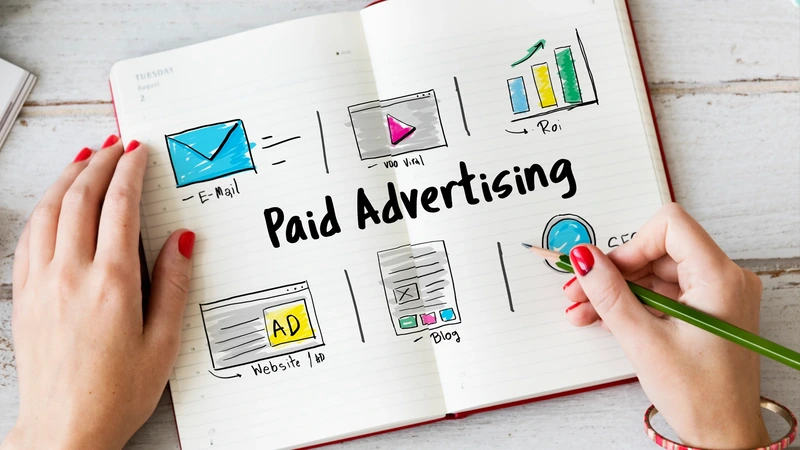
How to Scale Paid Campaigns Horizontally with New Audiences
Vertical scaling has limits. At some point, pushing more money into the same audience leads to diminishing returns. That’s when horizontal scaling becomes essential.
Start by duplicating your winning campaigns and testing new audience segments. If a narrow interest-based audience performs well, create a new ad set with a broader audience or a 3 to 5 percent lookalike. Broad audiences often unlock lower costs per click in untapped pockets of the market, especially as platforms improve their AI-driven targeting.
Another effective tactic is launching the same creative on different placements. If your Facebook feed ads work well, test Instagram Stories, Reels, or the Audience Network. Each placement reaches different user behaviors and can reveal new pockets of efficiency.
Keep each new audience test isolated in its own ad set. This separation makes it easier to track performance and quickly pause underperforming segments without disrupting your winning campaigns.
Diversifying Channels and Using Broad Targeting
Once you’ve maxed out performance on one platform, consider expanding to new channels. If Meta delivers strong results, test the same creative on TikTok, YouTube Shorts, or Pinterest. Each platform has its own audience dynamics and cost structure, and you may find lower acquisition costs in less saturated markets.
Broad targeting is another powerful lever for horizontal scaling. Platforms now use machine learning to find high-intent users even without detailed interest or demographic filters. Test campaigns with minimal targeting constraints and let the algorithm do the heavy lifting. In many cases, broad campaigns outperform hyper-segmented ones because the AI can explore patterns you wouldn’t manually select.
Balance is key. Keep a mix of proven narrow audiences and experimental broad audiences running simultaneously. This approach protects your baseline performance while exploring new growth opportunities.
Managing Creative Fatigue with UGC and Lo-Fi Content
As you scale, your audience sees your ads more frequently. This repetition leads to creative fatigue, where engagement drops, and costs rise. The frequency metric in your ad manager is your early warning signal. When it climbs above 3 or 4, it’s time to refresh your creativity.
Plan to rotate or update your ads every 7 to 10 days, especially on high-spend campaigns. You don’t need to start from scratch each time. Instead, iterate on winning concepts by testing new hooks, headlines, or visuals while keeping the core message consistent.
User-generated content and lo-fi ads often outperform polished, high-production commercials. Authentic, native-feeling content blends into social feeds and stops the scroll more effectively. If a video ad performs well, test five different opening hooks to see which version scales most efficiently.
Keep a library of creative variations ready to deploy. When an ad starts to fatigue, swap it out quickly to maintain momentum and keep costs under control.
Using Automated Rules and Monitoring Your Blended ROAS
Automation helps you scale without constant manual oversight. Set up rules to adjust budgets, pause underperforming ads, or send alerts when key metrics cross certain thresholds. These rules free up your time and prevent costly mistakes when you’re managing multiple campaigns across platforms.
Track your blended return on ad spend to get a complete picture of efficiency. Blended ROAS divides total revenue by total ad spend across all channels, capturing the combined impact of your campaigns. This metric reveals how your advertising drives overall business performance, not just individual channel wins.
For example, if your Meta ads show a 4x ROAS and Google Ads show a 2.5x ROAS, your blended ROAS might settle around 3.2x. This unified view helps you allocate budget more intelligently and avoid over-optimizing one channel at the expense of overall profitability.
Review your blended metrics weekly. If efficiency declines, identify which channel or audience is dragging performance down, then reallocate spend to your strongest performers. Regular monitoring and quick adjustments keep your scaling efforts profitable.

Partner with Seven Digital for Expert Campaign Growth
Scaling paid campaigns without losing efficiency demands careful planning, disciplined execution, and constant optimization. From respecting the 20 percent budget rule to refreshing creative and tracking blended performance, each strategy plays a role in sustainable growth.
At Seven Digital, we specialize in data-driven PPC strategies that drive targeted traffic and maximize ROI. Our team of experts manages every aspect of your campaigns, from keyword targeting and ad copywriting to bid management and performance tracking. We tailor each campaign to your specific goals, ensuring you reach the right audience at the right time while maintaining efficiency at scale.
Ready to grow your paid campaigns with confidence? Contact Seven Digital today and let our international team of PPC specialists help you achieve measurable results that fuel your business growth.